We look beyond the surface to figure out whether fungus or turf disease is holding your yard back and what it will take to help it recover.
Call now for an exclusive offer! 615-413-7996

The Lawn Ranger
We look beyond the surface to figure out whether fungus or turf disease is holding your yard back and what it will take to help it recover.
It’s never been easier to have a beautiful lawn. Call today to lock in your savings and get two FREE applications. But time is running out!
Opt into our text messaging platform to begin your program and schedule with us today!
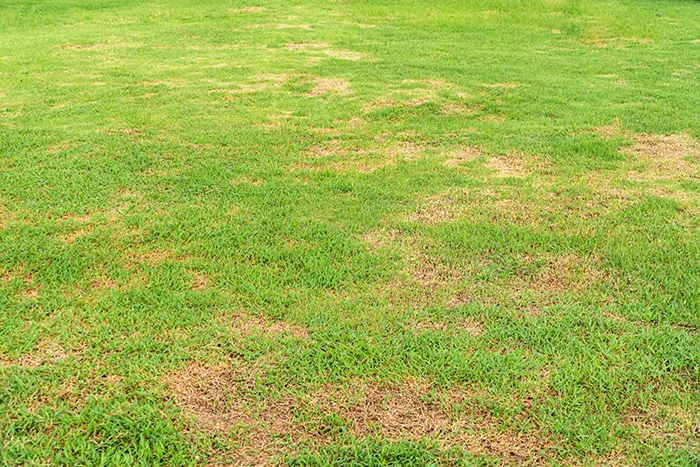
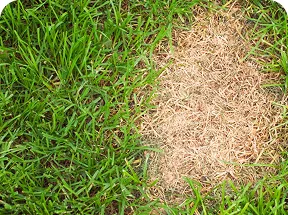
Sometimes a lawn does not just look a little dry. It looks sick. The color is off in certain areas, patches seem to grow and fade, and no matter how much you water or fertilize, something still feels wrong.
That is where lawn disease management from The Lawn Ranger comes in.
Lawn disease can be confusing because it often shows up like other problems. Brown spots might look like drought. Thin patches could be mistaken for insect damage. You try one thing after another and the spots just keep spreading.
Until the disease is identified and addressed, it often continues to creep along quietly.
 Create brown, yellow, or gray patches that seem to change week to week.
Thin out areas that used to be thick and full.
Leave the lawn feeling weak even after regular care.
Open the door for weeds to move into damaged areas.
Create brown, yellow, or gray patches that seem to change week to week.
Thin out areas that used to be thick and full.
Leave the lawn feeling weak even after regular care.
Open the door for weeds to move into damaged areas.We do not treat every spot in the lawn the same way. Our first step is always to slow down and take a closer look at what is actually happening.
When you call us about suspicious patches or lawn fungus, we:
Step
1
Talk with you about when you first noticed the problem and how it has changed
Step
2
Walk the yard to see the pattern of damage, not just a single spot
Step
3
Look at blades, thatch, and soil in and around the affected areas
Step
4
Consider how the lawn is being watered, mowed, and fertilized
From there, we decide whether disease is likely and which type of treatment makes sense. Sometimes fungus control is the main need. Other times, disease is part of a bigger picture that includes compaction, shade, or poor drainage.
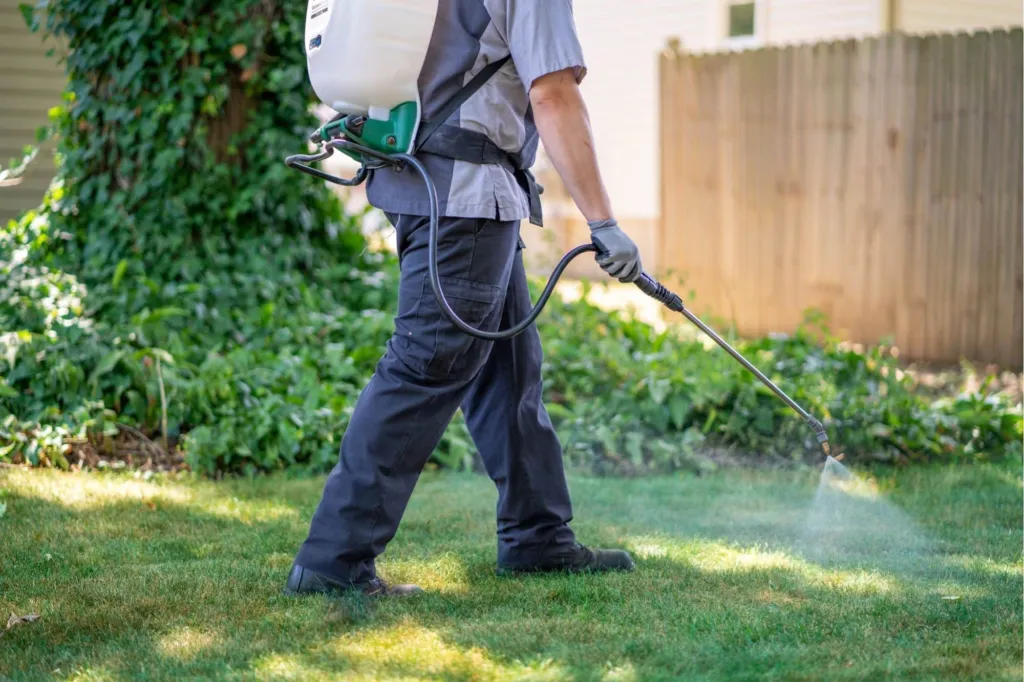
A disease management visit is part inspection, part treatment, and part coaching.
We want you to feel like you have a partner in the process, not just a one time spray.
Recheck the problem areas and take note of any changes since the last visit.
Apply fungus control products where needed.
Look at the rest of the lawn to see how healthy turf is holding up.
Talk with you about small changes that can support recovery, such as watering timing, mowing height, or traffic patterns.Stopping active disease is the first step. Keeping it from flaring up again is the long term goal.
Healthy lawns are not immune to disease, but they are much better at resisting it and bouncing back.
Watering less frequently but more deeply, so the lawn dries on the surface between cycles.
Mowing at the right height for your grass type and using sharp blades.
Avoiding heavy traffic on areas that are already stressed or recovering.
Pairing disease management with services like fertilization and core aeration so the turf can rebuild strength.
If your lawn looks sick and nothing you try seems to fix it, disease might be the missing piece. The Lawn Ranger can inspect your yard, explain what we see, and build a lawn disease management plan that fits your property and your expectations. Call us now or fill out a form to get a quote and take the first step toward healthier turf and fewer mystery patches in your lawn.